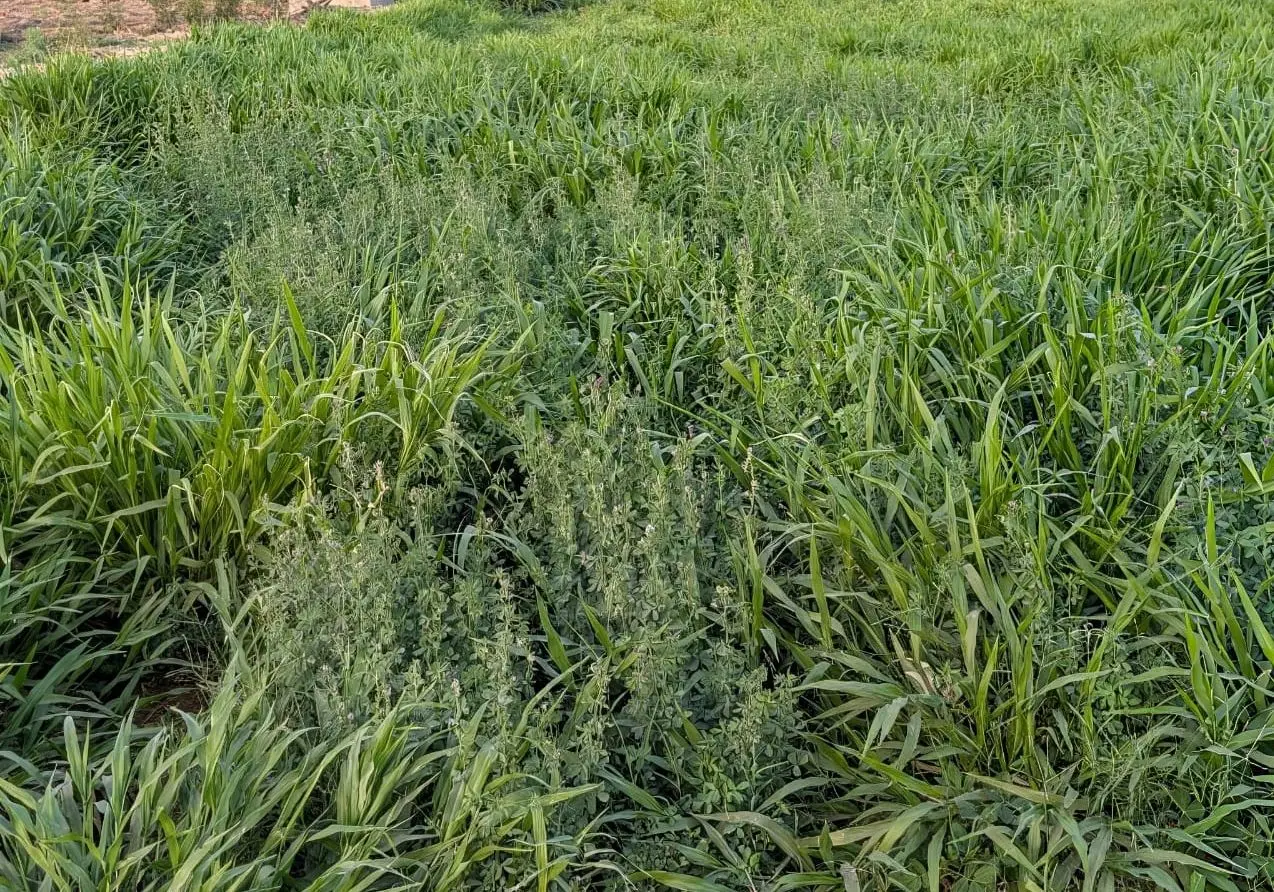
Introduction to Brachiaria Grass
Brachiaria grass, widely regarded for its exceptional nutritional value, is a staple in livestock farming across tropical regions. This perennial grass species is not only resilient but also provides an abundant source of fodder for various livestock, including cattle, sheep, and goats.
Nutritional Benefits for Livestock
One of the key advantages of brachiaria grass is its high digestibility and protein content, which can significantly contribute to improved livestock health and productivity. Rich in essential nutrients, this grass supports growth rates and enhances the overall condition of livestock. Additionally, it promotes better milk production in dairy cows, making it an ideal choice for farmers looking to optimize their yields.
Environmental Adaptability and Sustainability
Brachiaria grass exhibits remarkable adaptability to various soil types and climate conditions. Its resilience to drought makes it a viable option for sustainable farming practices, particularly in regions susceptible to climate variability. By incorporating brachiaria grasses into pasture management, farmers can improve soil health and reduce erosion, contributing to a more sustainable agricultural ecosystem.
In conclusion, brachiaria grass offers numerous benefits to livestock farmers, from enhancing nutritional intake and productivity to promoting environmental sustainability. Its adaptability and resilience make it an invaluable addition to farming systems in tropical and sub-tropical regions. For those involved in livestock farming, exploring the benefits of brachiaria grass could lead to innovative improvements in overall farm management.
Leave a Reply